I spent my 25 years at the US National Library of Medicine working on literature databases and archives, including PubMed and PubMed Central (PMC). I worked on the early PMC DTD, managed the NLM DTD project at NLM, which later became NISO z39.95 Journal Article Tag Suite (JATS), took over management of the PubMed DTD, and ran the Book Information Tag Suite (BITS) project at the National Center for Biotechnology Information at NLM. I also wrote all of the early full text XML transforms for content coming in to the full text archive PMC, and later managed the team that maintained (and greatly improved) them.
I was (and still am) a firm supporter of Declarative Markup and believe that it plays a foundational role in modern document processing by separating what content is from how it is presented or processed. It makes content more maintainable, reusable, and adaptable across different platforms and technologies.
By emphasizing semantics over implementation, declarative markup enables better accessibility, easier collaboration, and more efficient automation. It allows tools, browsers, and systems to interpret and render information consistently without requiring detailed procedural logic. As a result, content owners and managers can focus on intent and clarity, while underlying systems handle execution, leading to more scalable and resilient solutions.
A Brief History of Model Yachting
People have built, floated, sailed, and raced model boats as long as there have been boats. Some were built as part of the boat design process, some were built to play with in lakes and ponds, and some were built strictly for display.
By the early 20th century, model yachting had developed into an organized activity. Clubs were formed, standardized classes were introduced, and formal competitions became common. In Britain, organizations such as the Model Yachting Association helped establish rules and measurement systems, while in the United States, groups like the Model Yachting Association of America and the American Model Yachting Association promoted similar efforts. These developments allowed sailors to compete on equal terms and encouraged innovation in hull design, sail plans, and materials.
Figure 1
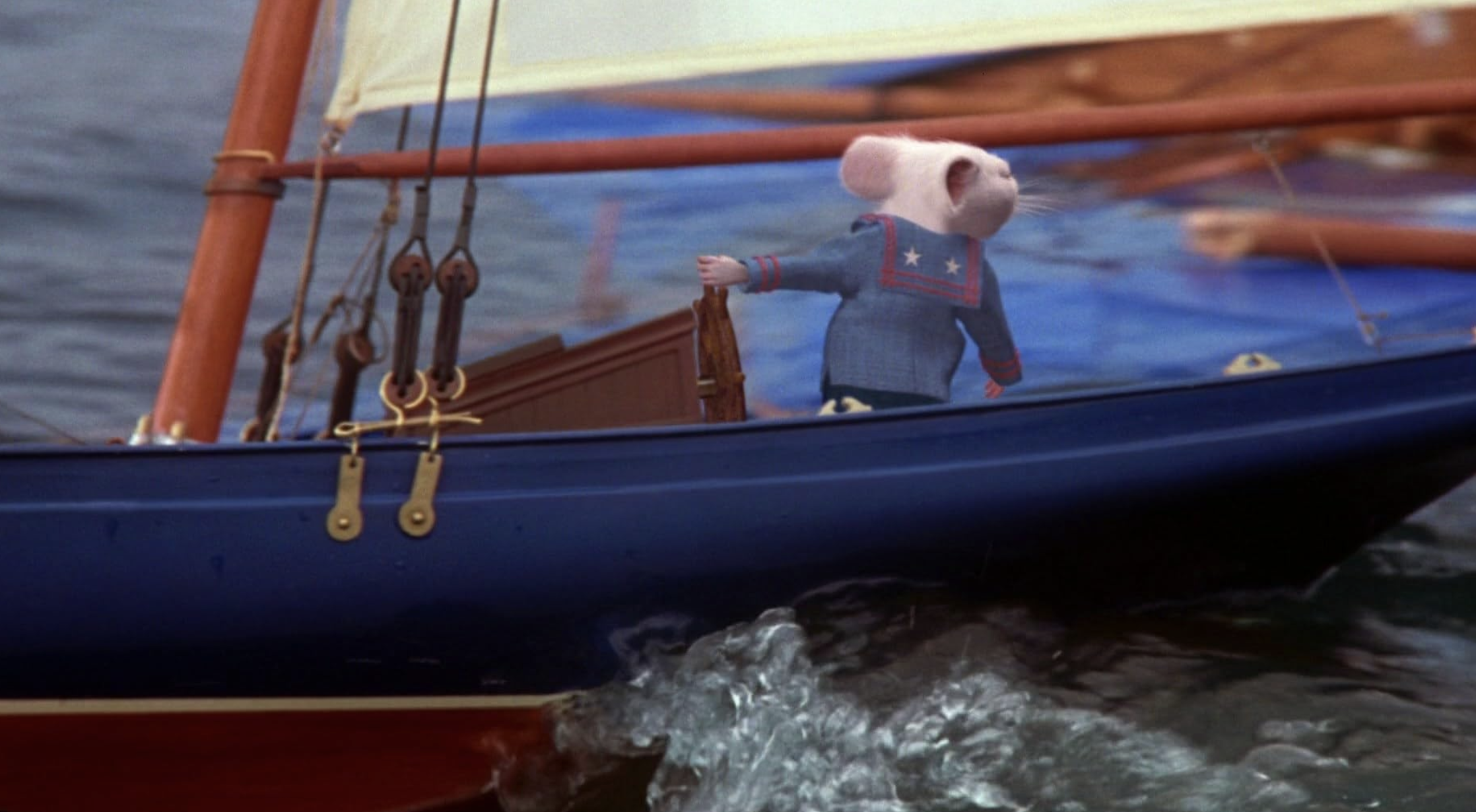
Stuart Little skippering a schooner in Central Park. [R1]
Groups communicated through monthly magazines or journals, and news and events were commonly reported in local newspapers. In 1936, Model Yacht Racing was a demonstration sport in the Berlin Olympics.
A major turning point came in the late/mid-20th century with the introduction of radio control technology. What had once required physical proximity and manual steering could now be managed remotely, transforming model yachting into a dynamic and highly tactical sport. Radio control opened the door to larger sailing areas, more complex race strategies, and greater accessibility for participants.
Today, model yachting is a global sport, with international competitions, world championships, and a wide variety of classes ranging from vintage designs to high-performance racing yachts. Despite advances in technology, the sport retains its deep connection to tradition, craftsmanship, and the simple challenge of harnessing the wind. Whether through competitive racing or the preservation of classic designs, model yachting continues to honor its rich history while evolving with new generations of sailors.
The US Vintage Model Yacht Group
The US Vintage Model Yacht Group (US VMYG) is dedicated to preserving and celebrating the craftsmanship, history, and spirit of classic model sailing. By promoting the restoration, building, and sailing of vintage model yachts, the group provides a space where enthusiasts can connect across generations, share knowledge, and honor traditional design and construction techniques. These efforts ensure that these elegant vessels remain not just artifacts of the past, but living examples of skill, innovation, and the enduring joy of model yachting.
The US VMYG Website
The US Vintage Model Yacht Group website, usvmyg.org, is both a digital hub and an archival resource dedicated to the preservation and active practice of vintage model yachting. It blends enthusiasm for hands-on craftsmanship with a strong sense of historical stewardship.
The site is organized around the group’s central mission: “preserving, building, and sailing” classic model yachts. Visitors are introduced to the idea of “vintage” not simply as old objects, but as a living tradition that includes freesailing pond yachts, early radio-controlled boats, and modern replicas of historic designs.
Structurally, the site functions as both a gateway for newcomers and a working resource for experienced builders and sailors. It offers practical entry points such as access to boat plans, sail number registration for participation in regattas, and membership enrollment. A significant portion of the website is devoted to knowledge preservation. Through archives like The Model Yacht journal, the site provides detailed articles on design, construction techniques, sail theory, and historical research. This content reflects a deep commitment to documenting both the technical and cultural aspects of the sport, ensuring that traditional skills and historical insights remain accessible to future generations.
The website is less a simple informational page and more a curated ecosystem: part museum, part workshop, and part community center. It invites visitors not only to learn about vintage model yachts, but to build them, sail them, and contribute to the ongoing story of the sport.
Like so many other websites in the second quarter of the 21st century, the site is built on WordPress, with membership managed through MemberPress, and sales of plans and other documents handled by WooCommerce.
The Digital Archive
Around 2020, US VMYG leadership started working on an idea to build a Model Yachting Center, which would be a museum, workshop, classroom, and sailing venue to support Vintage and current model yachting. The effort has stalled because of the realities of managing a facility dedicated to model yachting. But during the campaign, the group did collect a number of artifacts for the collection including boats, books, and lots of model yachting magazines.
It became apparent that we could preserve the history of model yachting not by storing these publications on a shelf in a library in a museum but by making them available free-to-read through our website.
The Digital Archive at US Vintage Model Yacht Group website is a central expression of the group’s mission to preserve and share the history of model yachting. It is not simply a collection of files, but an evolving, community-driven repository that transforms scattered historical materials into an accessible and searchable body of knowledge.
The archive is the product of a dedicated “Digital Legacy” effort—an ongoing initiative to gather, digitize, and organize materials that document the development of the sport. The collection spans a wide range of formats, including books, magazines, newspapers, catalogs, photographs, correspondence, plans, and videos, reflecting both the technical and cultural dimensions of model yachting. What distinguishes the archive is its breadth and openness. With thousands of items already digitized and more continually being added, it functions as a living collection rather than a static library. Contributors from the community are encouraged to donate or loan materials for digitization, reinforcing the idea that the archive is a shared effort to safeguard a collective heritage.
The structure of the archive emphasizes usability and discovery. Content is organized into clear categories—such as books, historic documents, images, magazines, and videos—and is supported by full-text search, allowing users to move easily between casual exploration and focused research.
In tone and purpose, the Digital Archive feels less like a museum locked behind glass and more like a workshop of ideas and history. It invites users to engage with the past—studying old plans, reading period writings, and watching vintage footage—not as artifacts alone, but as resources that can inform present-day building, sailing, and innovation. The Digital Archive serves as both memory and momentum for the sport: preserving its rich past while actively supporting its continued practice and evolution.
True Confessions
The archive is built from scans of pages made into PDFs. Some articles are provided on their own, but the vast majority of the magazine/journal content is delivered as complete issues in each PDF.
Figure 2
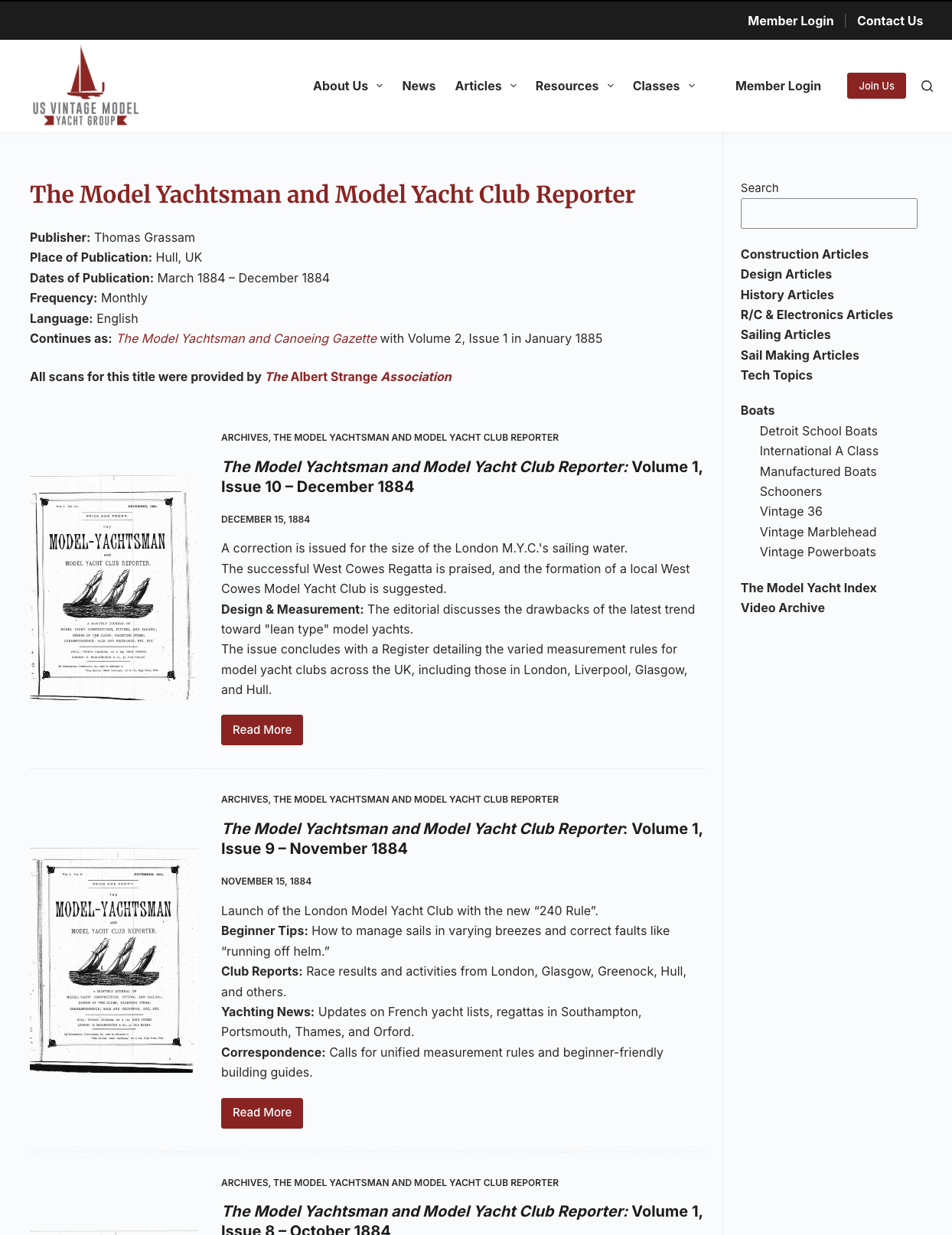
The Model Yachtsman issue list page shows links to issues from the 1880s.
Figure 3
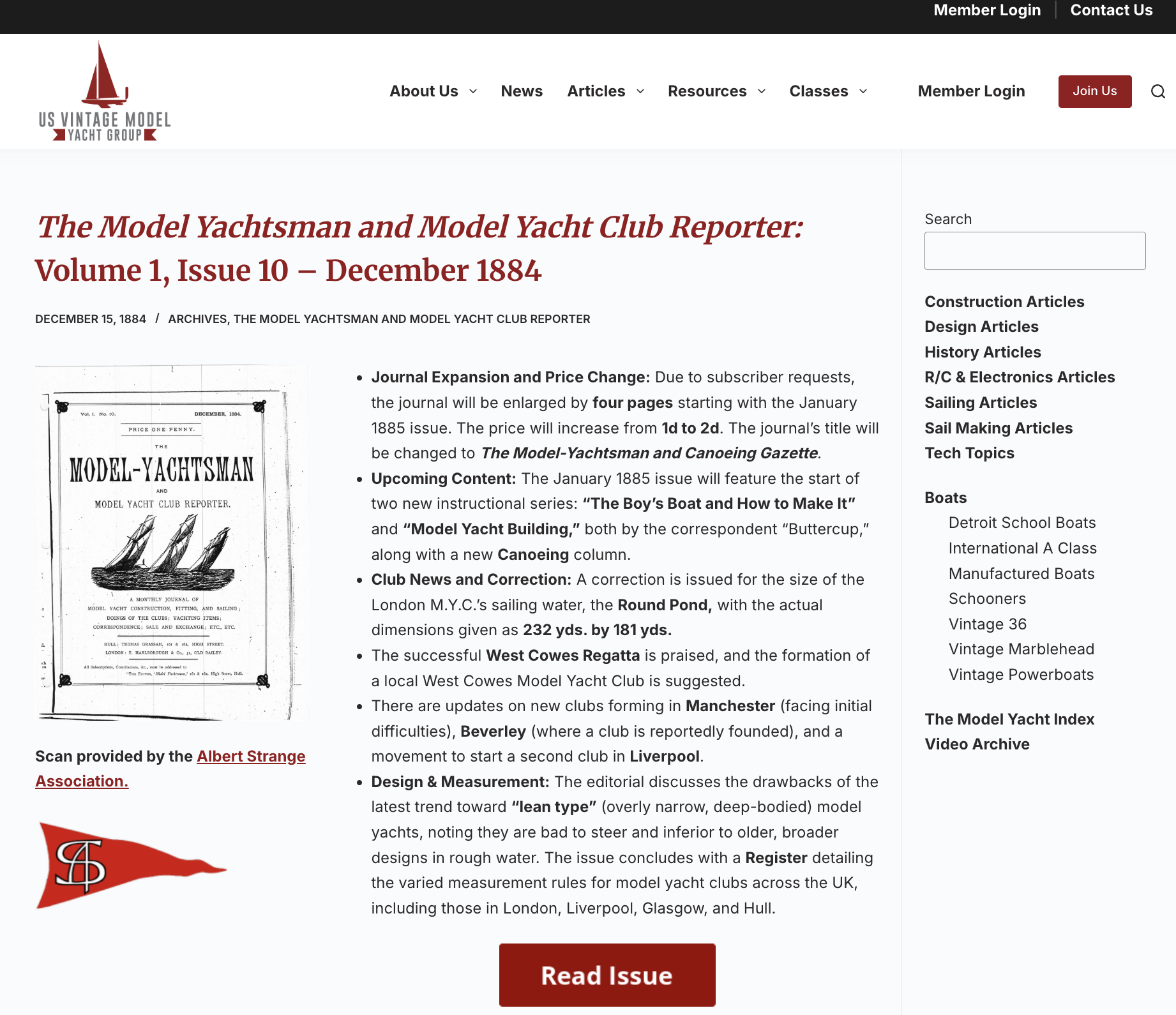
A The Model Yachtsman issue page from 1884. Each issue page contains links to the PDF of the issue, a cover image, and a summary of the articles in the issue.
Figure 4
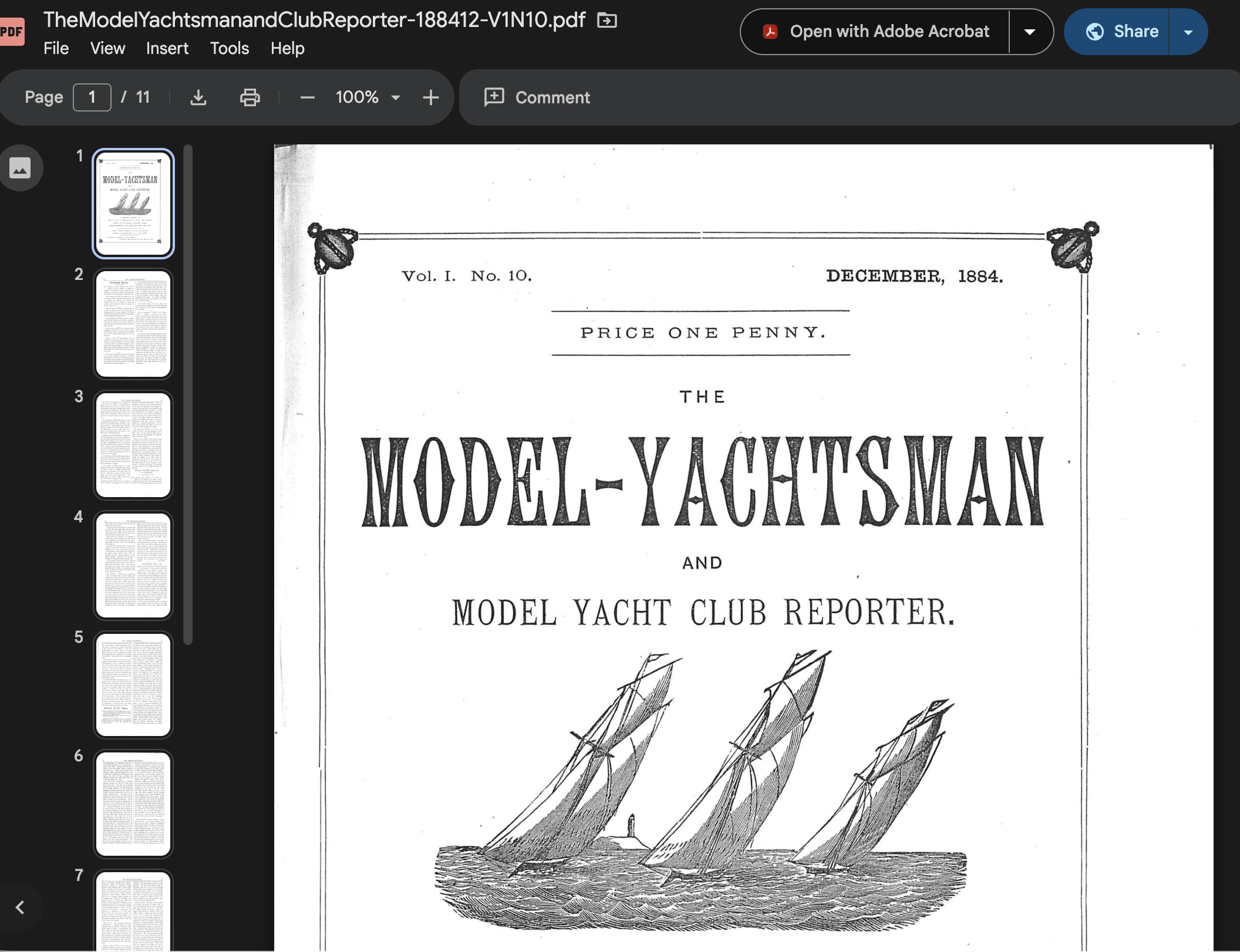
The PDF of the issue show in Figure 3.
Each issue record contains links to the PDF of the issue, a cover image, and a summary of the articles in the issue. These summaries are written by volunteers, possibly with the help of AI. Additionally, the full text of the issue, which was obtained by OCR, is stashed in a hidden div in the issue record. This helps with searching for content in the issue.
PDF files are stored on the US VMYG Google Drive as publicly readable. They are served from the Google Drive on request.
The Motto of the Sloppy and Lazy
Don't let the perfect be the enemy of the good.
— Voltaire ??
This phrase is often offered as a reminder to keep moving, to avoid paralysis, and to accept that progress usually comes in increments rather than leaps. In its best sense, it encourages practicality, iteration, and the understanding that real-world constraints—time, resources, uncertainty—rarely allow for flawless outcomes.
At the same time, the phrase can be misused. In the wrong hands, it becomes a convenient shield against effort, a way to justify cutting corners or settling for mediocrity. When invoked this way, it shifts from a principle of momentum to an excuse for avoiding discipline, refinement, or accountability. The danger lies not in the idea itself, but in how easily it can be twisted to lower standards rather than to sustain progress. I have always considered it to be the slogan of the Sloppy and Lazy.
The real challenge, then, is balance. “Good” should mean competent, thoughtful, and fit for purpose—not careless or incomplete. The motto is valuable when it helps people move forward without fear of imperfection, but it loses its integrity when it becomes a rationale for not trying.
Self Delusion
Building the archive as described with scans of issues, and each issue set as a WordPress post, makes the file processing very easy. I am able to clean up scans with Imagemagick; rename PDFs as needed, OCR out the text, and select the cover image with shell scripts, and stage the files onto Google Drive for posting. Anyone with some WordPress skill and the ability to follow a Post Template can add issues.
Curators come throgh later to add the issue/article summaries and exerpts to the posts.
There is no declarative markup being used. There is no overlap, no FRBR entites, no rabbit/duck grammers, no triples, no Topic Maps, no XQuery, no XSLT, no TEI, no JATS, no Frankenstein, no iXML, no interoperability, no schemas, no Schemas, no RNG/RNC, no Tidy, no RESTful anything, no SparQL, no grammars, no DTD, no XForms, no DOM, no MathML, no Ragnarok nor Trojan Horses, no GODDAG (I never understood this), no BITS, no DITA, no XSL-FO, no Schematron, no SGML, no UBL, no JSON, no xmlsh, no LMNL, and no docBook.
In other words, I've used nothing I've learned from 25 years of Extreme Markup and Balisage conferences and 25 years of work at NLM in this project.
Peace ?
On the other hand, it feels like I have used everything I have learned from 25 years of markup conferences and 25 years of work at NLM on this project. Most importantly, perhaps is the realization that exposing this content to the public so it can be read far outweighs doing everything the right way.
References
[R1] The Boat Race. Stuart Little. Columbia Pictures. 1999. https://youtu.be/X7phS7CyRQk?si=G4h1F48uyt5GRS7d